Wondering which emergency foods to keep in your cupboards? Discover practical emergency food ideas, long-life cupboard staples and no-cook foods that are perfect for building an emergency food supply without spending a fortune.
Emergency Foods: A Practical Guide to Building Your Emergency Food Supply
Have you ever wondered what foods you should keep in your cupboards in case of an emergency?
Building an emergency food supply is a practical way to prepare for unexpected situations such as power cuts, severe weather or disruptions to everyday food supplies.
Having enough food and drinking water to last at least three days is a useful starting point when preparing your household for an emergency.
The good news is that you don’t need to spend a fortune on specialist emergency food kits or expensive freeze-dried meals. Many everyday supermarket foods, including tinned vegetables, beans, crackers, peanut butter and dried fruit, can make excellent emergency food supplies.
Here at Yummy Inspirations, I’m sharing practical emergency food lists, no-cook food ideas and affordable supermarket shopping challenges to help you build an emergency food supply without spending a fortune.
My Emergency Food Lists and Ideas
Looking for inspiration on what to add to your emergency food cupboard? These are the 10 best foods that I always keep in my pantry in case of emergencies.
10 Emergency Foods To Keep At Home
What Foods Should You Keep for Emergencies?
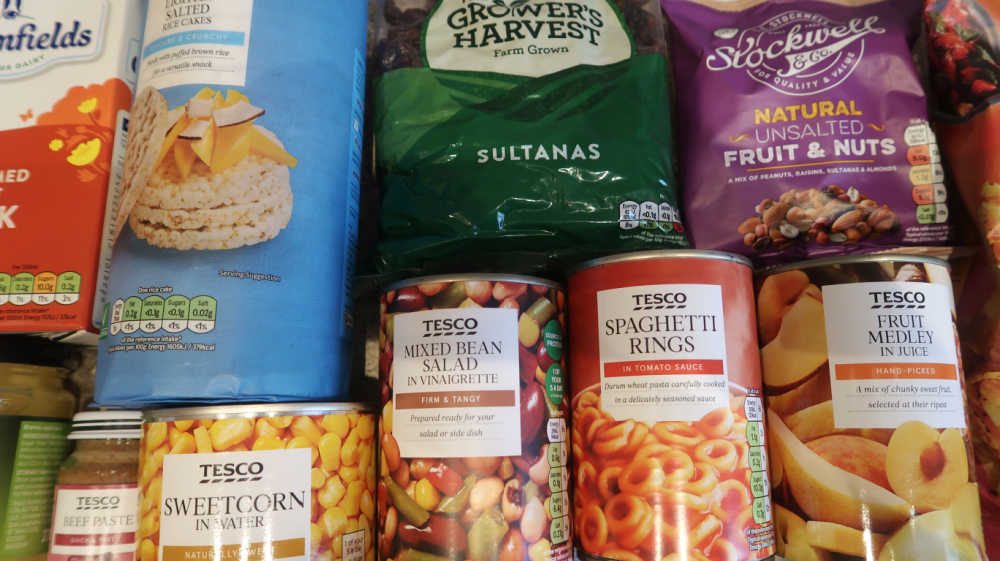
When choosing emergency foods, it’s worth looking for ingredients that have a long shelf life, are easy to store and require little or no preparation.
Ideally, your emergency food supply should include a mixture of carbohydrates, protein, fruit, vegetables and foods that provide energy.
Some useful emergency food staples include:
- Tinned foods: Baked beans, chickpeas, kidney beans, sweetcorn, tinned vegetables and fruit.
- Protein foods: Tinned tuna, sardines, chicken paste, peanut butter, sunflower seeds and mixed nuts.
- Carbohydrates: Crackers, rice cakes, tortilla wraps, cereal, pasta and tinned potatoes.
- Long-life dairy alternatives: UHT milk and other shelf-stable milk alternatives.
- Easy snacks: Dried fruit, nuts, cereal bars, biscuits and crackers.
- Condiments and extras: Jam, honey, pesto and other long-lasting spreads.
Think about foods that you and your family already enjoy eating. There’s little point building an emergency food supply full of ingredients that nobody wants to eat!
No-Cook Emergency Foods
One of the most important things to consider when preparing an emergency food supply is what you would eat if you couldn’t use your cooker.
A power cut or other disruption could mean that you temporarily have no access to cooking facilities.
It’s therefore useful to have a selection of foods that can be eaten straight from the packet, tin or jar.
Some of my favourite no-cook emergency food ideas include:
- Crackers with peanut butter, jam or tinned fish.
- Tinned chickpeas and beans.
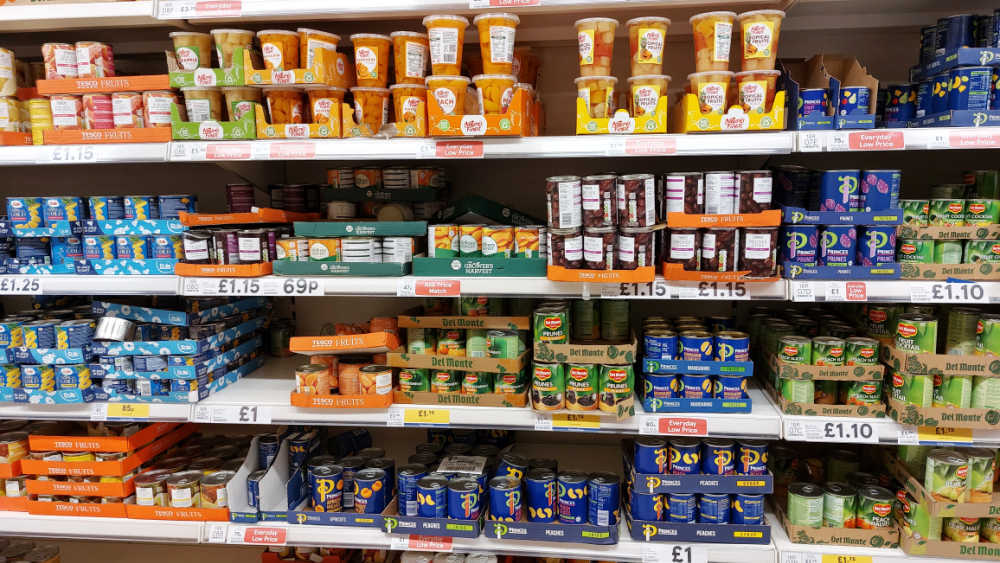
- Tinned fruit in juice.
- Rice cakes with spreads.
- Dried fruit and nuts.
- UHT milk with breakfast cereal.
- Tinned vegetables such as sweetcorn.
- Tinned potatoes, which can be eaten cold.
- Tortilla wraps with shelf-stable fillings.
Remember to include a manual tin opener if you rely on canned foods, as well as drinking water.
Emergency Foods That Don’t Need Refrigeration
When putting together an emergency food supply, it’s important to think about foods that can be stored safely without needing a fridge.
A power cut could mean that your fridge and freezer aren’t available, so having a selection of cupboard foods is particularly useful.
Some foods to consider include:
- Tinned beans, chickpeas and lentils.
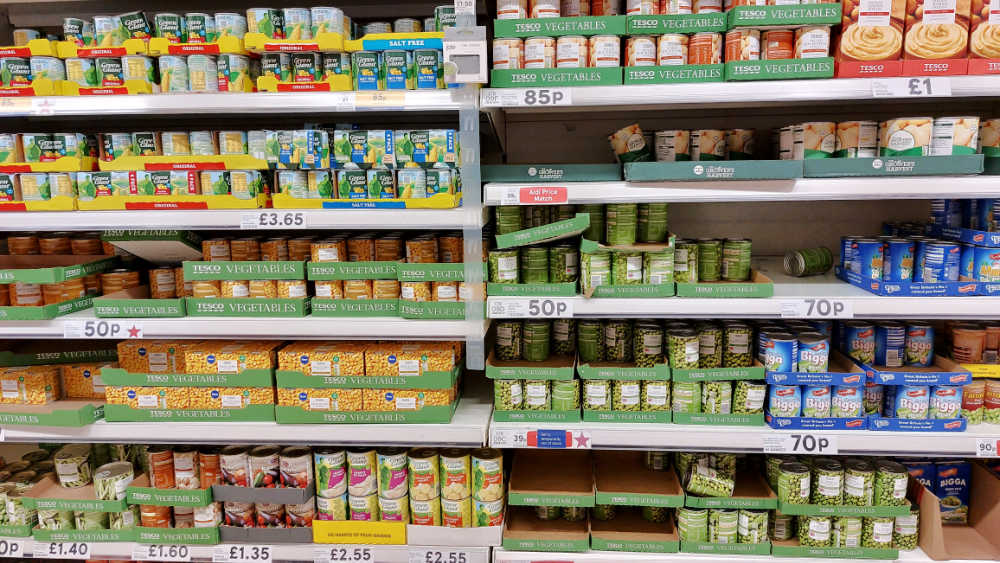
- Tinned vegetables and fruit.
- Tinned fish, such as tuna and sardines.
- Peanut butter and other shelf-stable spreads.
- Crackers and rice cakes.
- Dried fruit, nuts and seeds.
- Cereal and long-life breakfast foods.
- Unopened UHT milk.
- Jam and honey.
- Shelf-stable sauces and condiments.
Remember that many foods only remain shelf-stable until opened. Check the packaging instructions and think about how you would store any leftovers if your fridge wasn’t working.
Easy Emergency Food Meal Ideas
When choosing emergency foods, it’s helpful to think about how you can combine different ingredients to make simple meals.
Here are some easy ideas using everyday cupboard ingredients:
- Crackers with peanut butter: A simple snack or breakfast using crackers and peanut butter.
- Bean and tortilla wraps: Combine ready-to-eat tinned beans with a tortilla wrap and a little shelf-stable sauce.
- Tuna and crackers: Tinned tuna served with crackers makes an easy lunch.
- Fruit and cereal: Cereal with UHT milk and tinned fruit makes a simple breakfast.
- Chickpea salad: Drain and rinse tinned chickpeas and combine with any suitable shelf-stable additions.
- Rice cakes with jam: An easy snack using ingredients that are simple to store.
- Tinned potatoes and vegetables: Ready-to-eat tinned potatoes served with tinned vegetables can make a simple meal.
Think about including a mixture of breakfast foods, lunches, snacks and more substantial meals when planning your emergency food supply.
Affordable Emergency Food Shopping Challenges
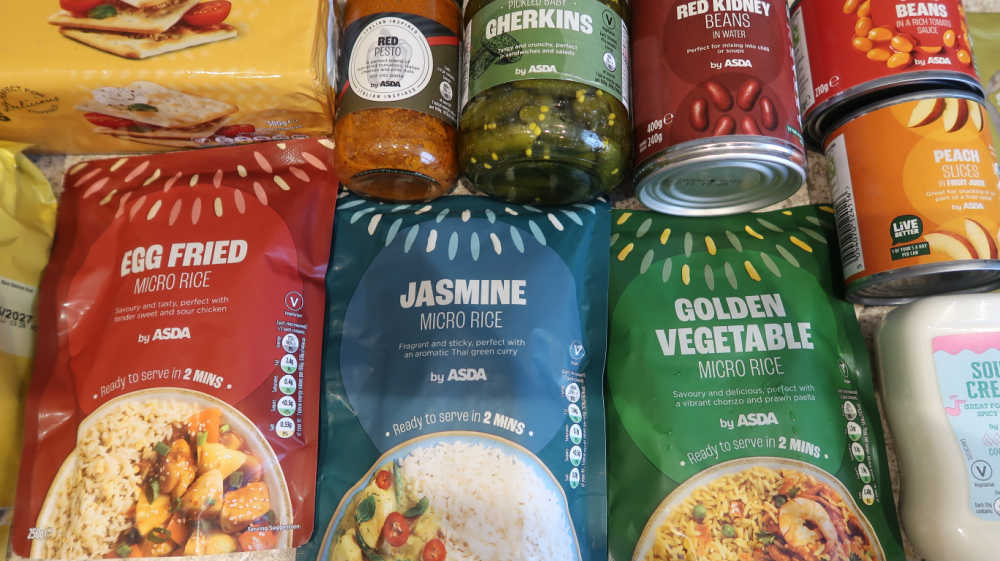
How much emergency food can you actually buy for £5 or £10?
One of the easiest ways to build an emergency food supply is to gradually add affordable, long-life foods to your regular supermarket shop.
I’ve been visiting UK supermarkets to see how much useful food you can buy on a small budget.
From tinned foods and cupboard essentials to snacks, spreads and no-cook meal ingredients, these shopping challenges explore what you can buy without spending a fortune.
I’m comparing different supermarkets to discover which offer the best value for money and which foods are worth adding to your emergency food cupboard.
As you’ll see, you don’t need to buy everything at once to start building an emergency food supply.
These shopping challenges focus on affordable everyday foods that can be stored in your cupboards and used as part of an emergency food supply.
I’ll be comparing prices, looking at different supermarket options and finding budget-friendly foods that offer good value.
Watch my emergency food shopping challenges:
£10 Asda Emergency Food Shop Challenge – hit play below or click here to watch on YouTube.
£10 Tesco Emergency Food Shop Challenge – hit play below or click here to watch on YouTube.
I’ll be adding more supermarket challenges as I visit different shops, so check back for more budget emergency food ideas.
How Much Emergency Food Should You Keep?
A good starting point is to aim for at least three days’ worth of food and drinking water for everyone in your household.
Think about the number of people you need to provide for and choose a mixture of foods that will provide enough energy and keep everyone satisfied.
When building your supply, consider:
- How many people you need to feed.
- Foods that don’t require refrigeration.
- Foods that can be eaten without cooking.
- Foods with a long best-before date.
- Any dietary requirements or allergies within your household.
- Drinking water and other essential supplies.
You can gradually build up your supplies by buying a few extra long-lasting items during your usual supermarket shop.
It’s also important to remember to rotate your supplies, using older items first and replacing them as you go.
Frequently Asked Questions About Emergency Foods
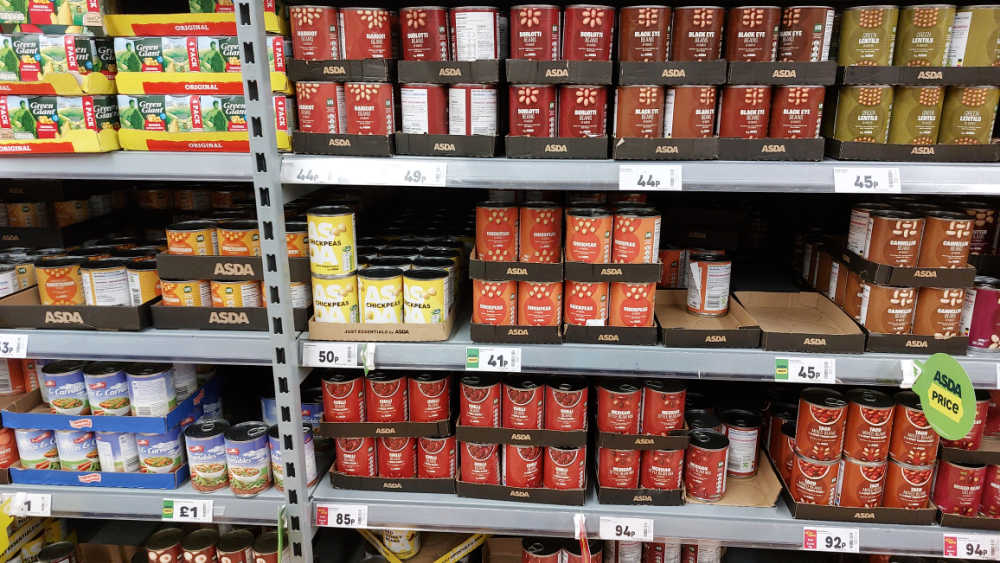
What are the best foods to store for emergencies?
Some of the best emergency foods include tinned beans, tinned fish, peanut butter, crackers, dried fruit, nuts, UHT milk, cereal and tinned fruit and vegetables. Choose foods with a long shelf life that your household already enjoys eating.
What foods can you eat without cooking during an emergency?
There are plenty of foods that can be eaten without cooking, including crackers, rice cakes, peanut butter, tinned beans, tinned fish, dried fruit, nuts, cereal and tinned fruit. Look for foods that are ready to eat straight from the packaging.
How can I build an emergency food supply on a budget?
Start small by adding a few extra long-life foods to your regular supermarket shop. Look for affordable supermarket own-brand products, multi-packs and foods that can be used in everyday meals as well as stored for emergencies.
How long should an emergency food supply last?
A useful starting point is to prepare enough food and drinking water for at least three days for everyone in your household. You can gradually build a larger supply depending on your available storage space and budget.
Do I need to buy specialist emergency food?
No. Many everyday supermarket foods are suitable for emergency food supplies. Tinned foods, crackers, dried fruit, nuts, peanut butter and UHT milk are all examples of affordable foods that can be stored at home.
What are the best emergency foods to buy on a budget?
Some affordable emergency foods include tinned beans, chickpeas, sweetcorn, crackers, rice cakes, peanut butter, tinned fruit and dried fruit. Supermarket own-brand products can be a particularly inexpensive way to build up a useful emergency food supply.
What foods should you stock up on before a power cut?
Before a potential power cut, it’s useful to have foods that don’t require refrigeration or cooking. Tinned foods, crackers, peanut butter, dried fruit, nuts and unopened UHT milk are all useful cupboard staples. Remember to have a manual tin opener and drinking water available too.
Can you build an emergency food supply for £10?
Yes! You can start building an emergency food supply with a small budget by choosing affordable cupboard staples such as tinned beans, crackers, cereal, dried fruit and other long-life foods. You don’t need to buy everything at once. My £5 and £10 supermarket shopping challenges show just how much you can buy on a budget.
How to Store Your Emergency Food Supply
Once you’ve started buying emergency foods, it’s important to store them properly so they’re ready to use when needed.
Here are a few simple tips:
- Keep cupboard foods in a cool, dry place away from direct sunlight.
- Store tins and packets somewhere easily accessible.
- Check best-before dates regularly.
- Use older foods first and replace them with newer purchases.
- Keep a manual tin opener with your emergency supplies.
- Store drinking water alongside your food supplies.
- Keep foods with specific storage instructions according to the packaging.
You don’t necessarily need a separate emergency food cupboard. A dedicated shelf or storage box can be enough to keep track of what you have.
Buying foods that your family already eats makes it much easier to rotate your supplies and avoid unnecessary waste.
Start Building Your Emergency Food Supply Today
You don’t need to spend hundreds of pounds or fill your cupboards overnight.
Start with a few affordable essentials, think about what your family would actually eat and gradually build up a selection of foods that can help you through an unexpected situation.
I’ll continue sharing practical emergency food ideas, supermarket shopping challenges and budget-friendly food lists here on Yummy Inspirations to help you get prepared without spending a fortune.