£10 Emergency Food Shop at Asda – How much emergency food can you buy at Asda for around £10? I went shopping to see how many useful foods I could get on a small budget, and my emergency food shop came to just £10.08.
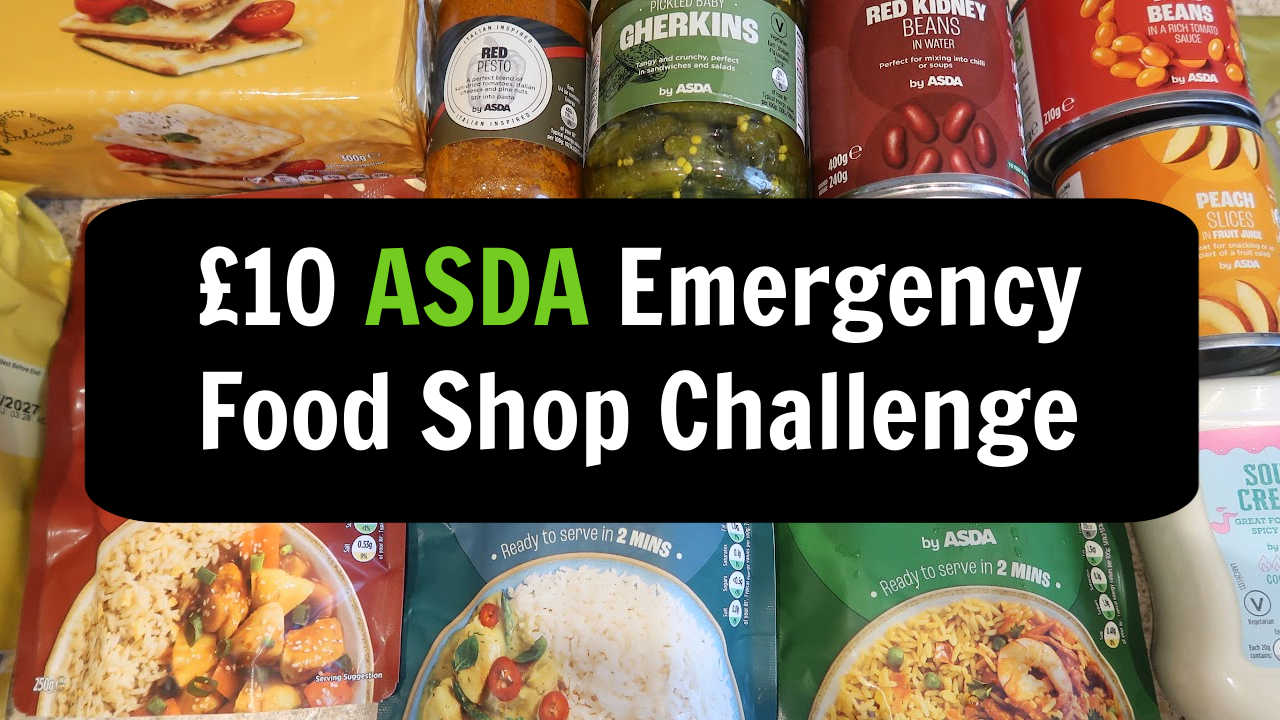
£10 Emergency Food Shop at Asda: What I Bought for £10.08
I wanted to see what I could buy for around £10 to help build an emergency food supply at home. I focused on affordable cupboard foods, snacks and ingredients that could be useful if we needed to rely on the food we had available. (Here’s my full Emergency Foods guide.)
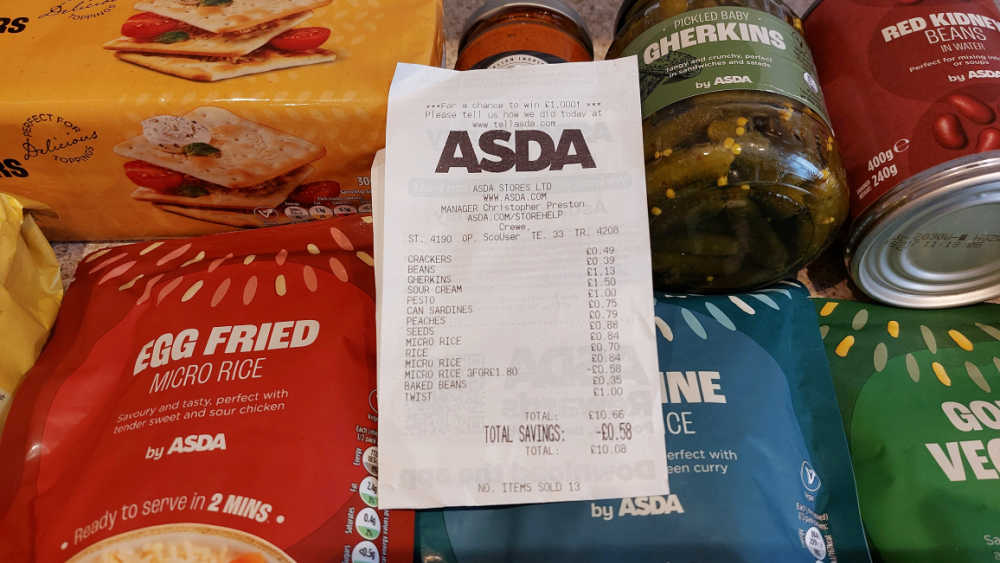
Here’s everything I bought and how much it cost:
| Item | Price |
|---|---|
| Cream crackers | £0.49 |
| Red kidney beans | £0.39 |
| Pickled gherkins | £1.13 |
| Sour cream in a tube | £1.50 |
| Pesto | £1.00 |
| Sardines | £0.75 |
| Peaches in juice | £0.79 |
| Sunflower seeds | £0.88 |
| Rice pouches – 3 for £1.80 | £1.80 |
| Baked beans | £0.35 |
| Cheese twists | £1.00 |
| Total | £10.08 |
That’s 11 purchases for just over £10, including three rice pouches.
Prices may vary by store and over time, so check your local Asda for current prices.
What I Bought and How Useful Is It for Emergency Food?
1. Cream Crackers – £0.49
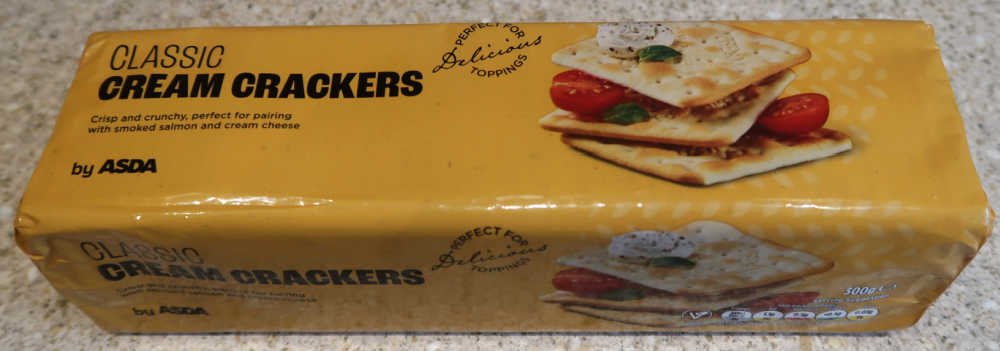
Cream crackers are an inexpensive cupboard staple that can be eaten without cooking. They’re useful for snacking and can be paired with tinned fish, beans or other foods you already have at home.
They’re also lightweight and easy to store, making them a practical addition to a small emergency food supply.
2. Red Kidney Beans – £0.39
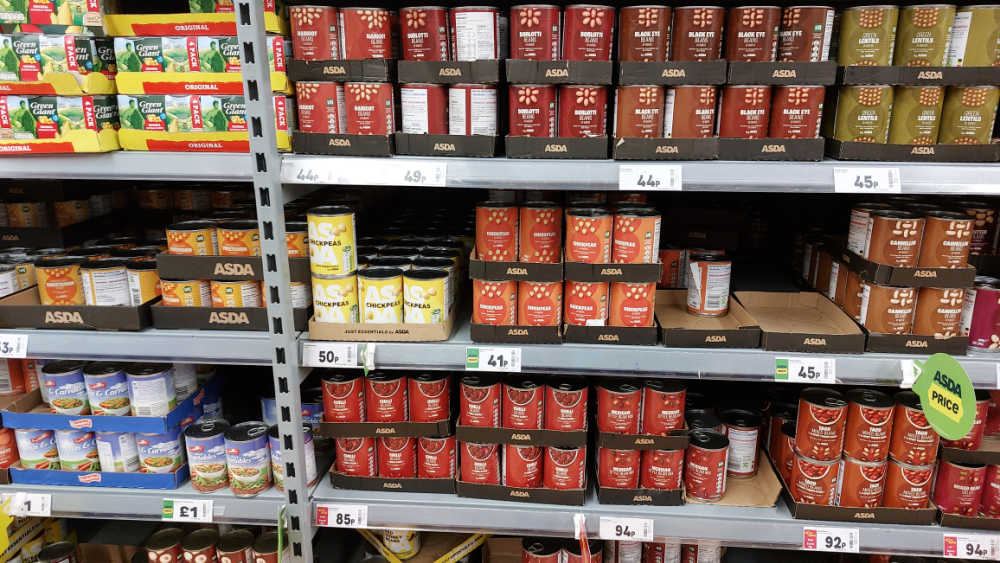
Tinned kidney beans are an affordable source of plant-based protein and fibre. They can be eaten cold once drained and are useful in salads, wraps and quick meals.
They’re particularly handy when you want something more substantial than crackers or snacks without needing to cook.
3. Pickled Gherkins – £1.13
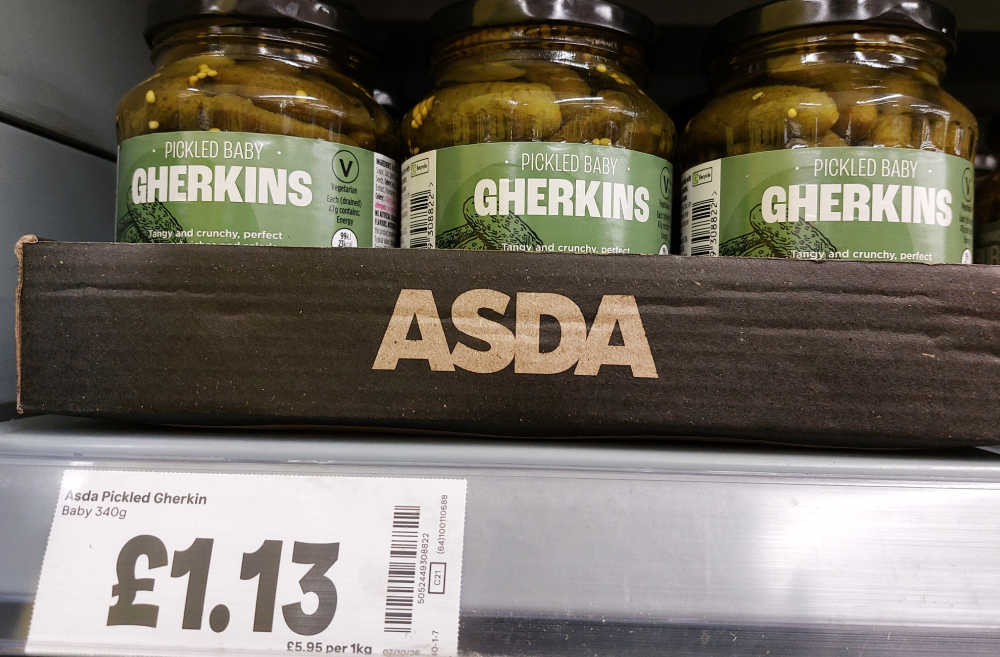
Pickled gherkins add plenty of flavour to simple meals. They can be eaten straight from the jar and paired with crackers, tinned fish or beans.
They’re not necessarily the first food you might think of when building an emergency supply, but they can make basic cupboard meals more interesting.
Once opened, follow the jar’s storage instructions.
4. Sour Cream in a Tube – £1.50
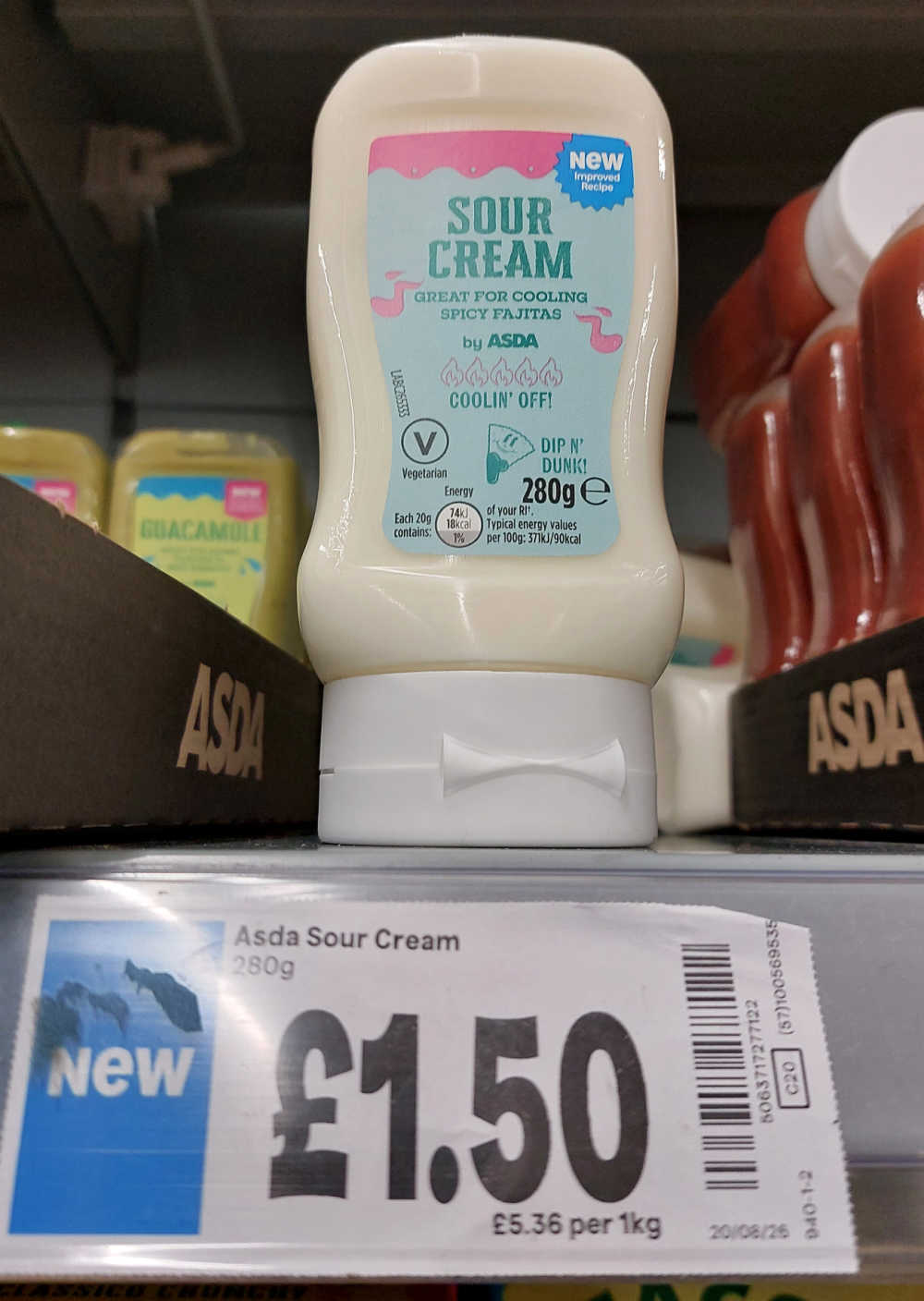
One of the more unusual items in my shopping basket was a tube of sour cream from the international food section at Asda.
Unlike the chilled tubs of sour cream you might normally expect, this product was sold on the shelf. That makes it an interesting option to consider when shopping for emergency food.
The tube is also a useful size. We could use the entire tube in one sitting as a substitute for mayonnaise with foods such as tinned tuna, rather than opening a larger container and having leftovers.
Always check the packaging for storage instructions, particularly whether the product needs refrigerating after opening.
5. Pesto – £1.00
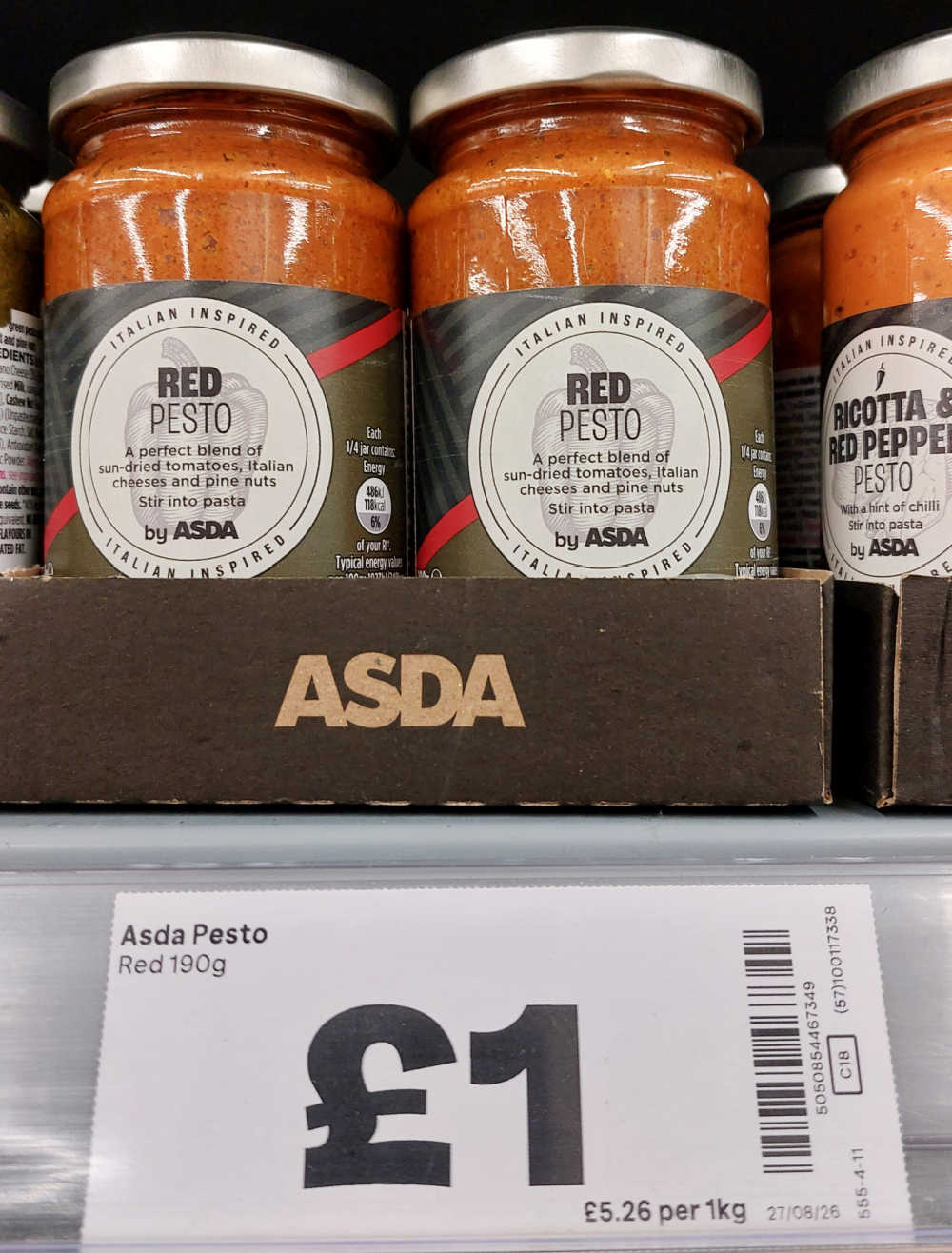
Pesto is a versatile ingredient that adds flavour to simple meals. It can be mixed into rice, spread onto crackers or used to make a quick meal from ingredients you already have.
A small jar can go a long way, and it offers a way to add flavour without needing lots of different ingredients.
Check the storage instructions, as pesto may need refrigerating once opened.
6. Sardines – £0.75
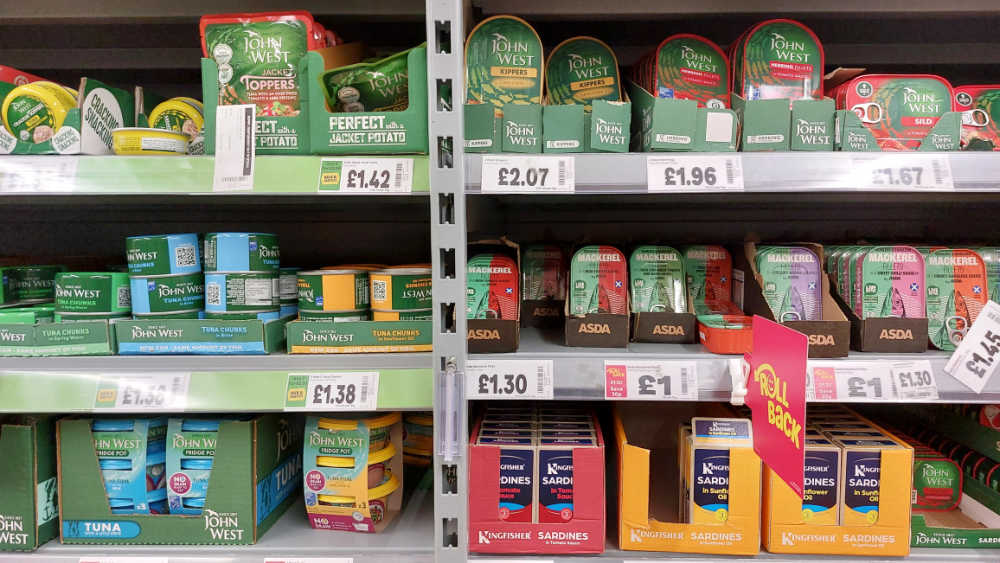
Tinned sardines are one of my favourite types of emergency food to consider because they’re ready to eat and don’t require cooking.
They provide protein and fats and can be eaten straight from the tin, served with crackers or combined with other cupboard ingredients.
They’re also a useful option when you want something more substantial than a snack.
7. Peaches in Juice – £0.79
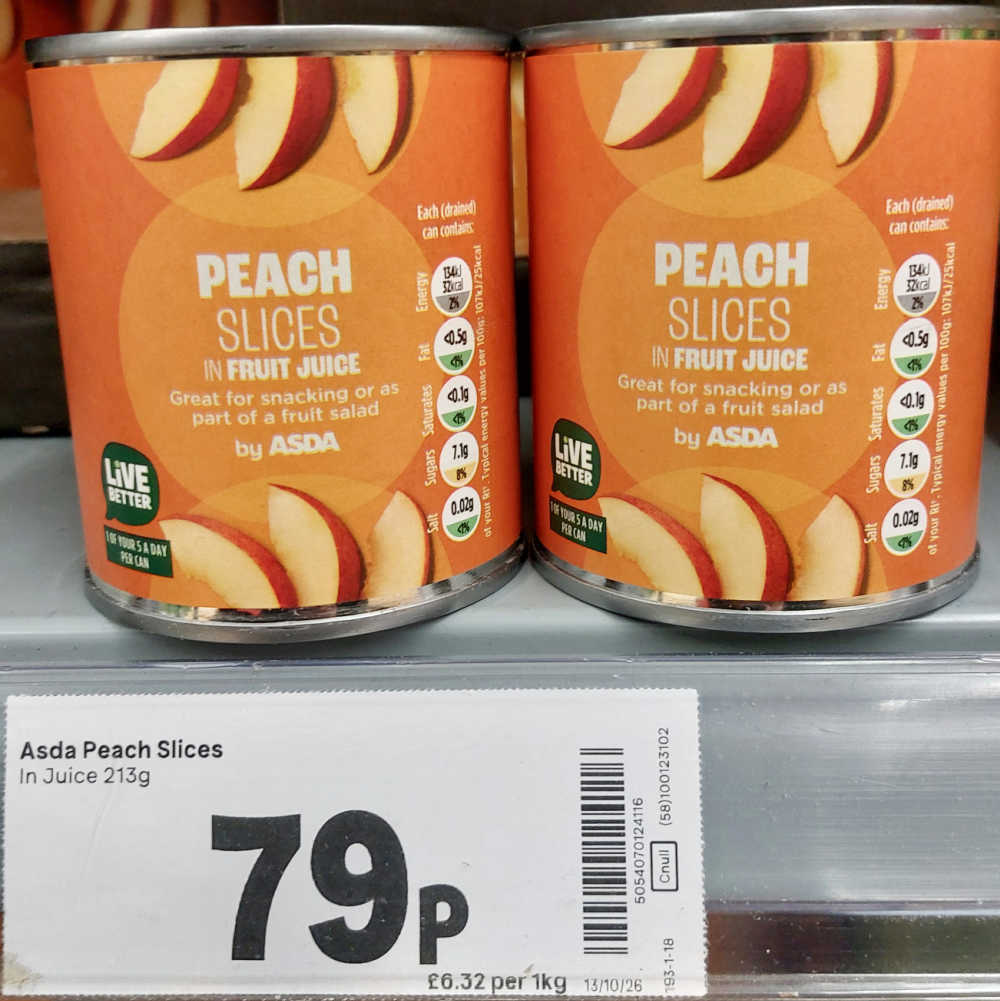
Tinned peaches provide a sweet option in an emergency food cupboard. They can be eaten straight from the tin, making them useful when you want something sweet without needing to bake or prepare a dessert.
Fruit in juice also gives you some variety alongside savoury foods such as beans, crackers and tinned fish.
Once opened, any uneaten fruit will need to be stored according to the packaging instructions.
8. Sunflower Seeds – £0.88
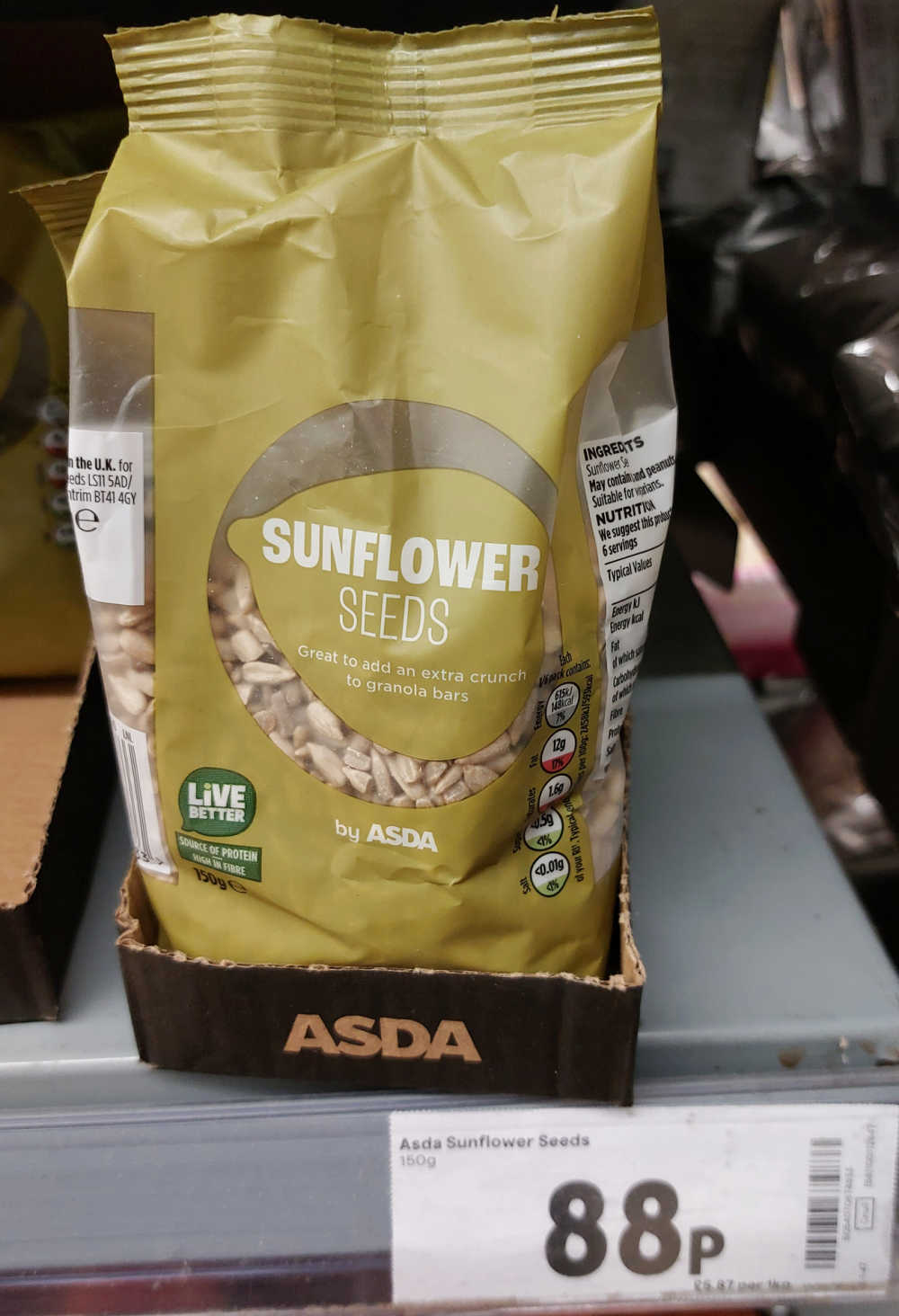
Sunflower seeds are a convenient snack that can be eaten straight from the packet. They’re small, easy to store and provide fats and some protein.
They can also be sprinkled over other foods or eaten alongside crackers and tinned fruit.
If you’re building an emergency food supply for the whole family, remember to consider allergies and whether everyone in your household enjoys the foods you buy.
9. Rice Pouches – Three for £1.80
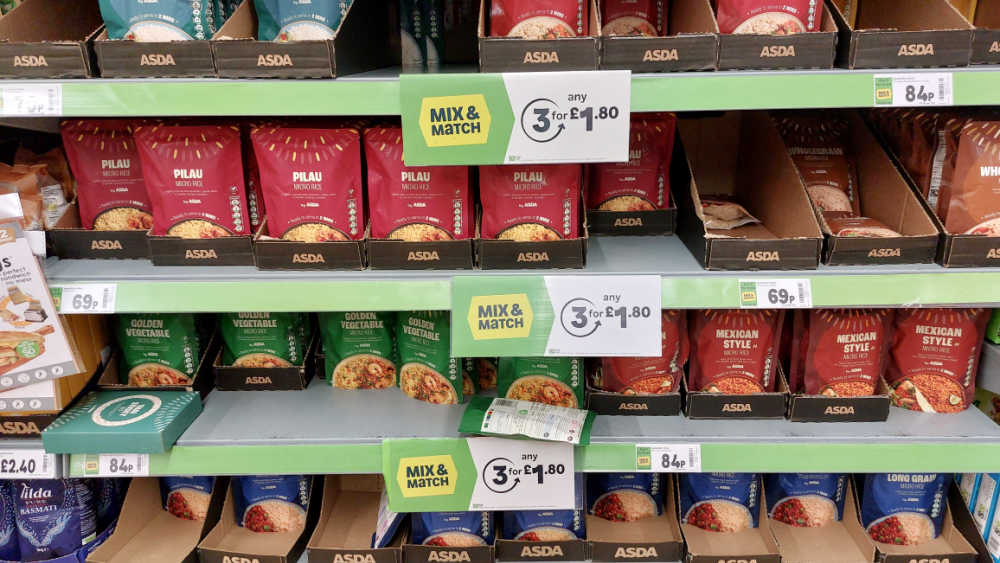
The rice pouches were one of the most useful purchases in this shop. They’re already cooked and can be eaten cold, although I think they’re nicer warmed up if you have the means to do so.
They can be paired with sardines, kidney beans or pesto to make a more substantial meal without needing to cook rice from scratch.
For an emergency situation where electricity or cooking facilities might not be available, ready-cooked rice can be particularly convenient. Check the packet instructions and storage guidance, including any advice about using the pouch after opening.
10. Baked Beans – £0.35
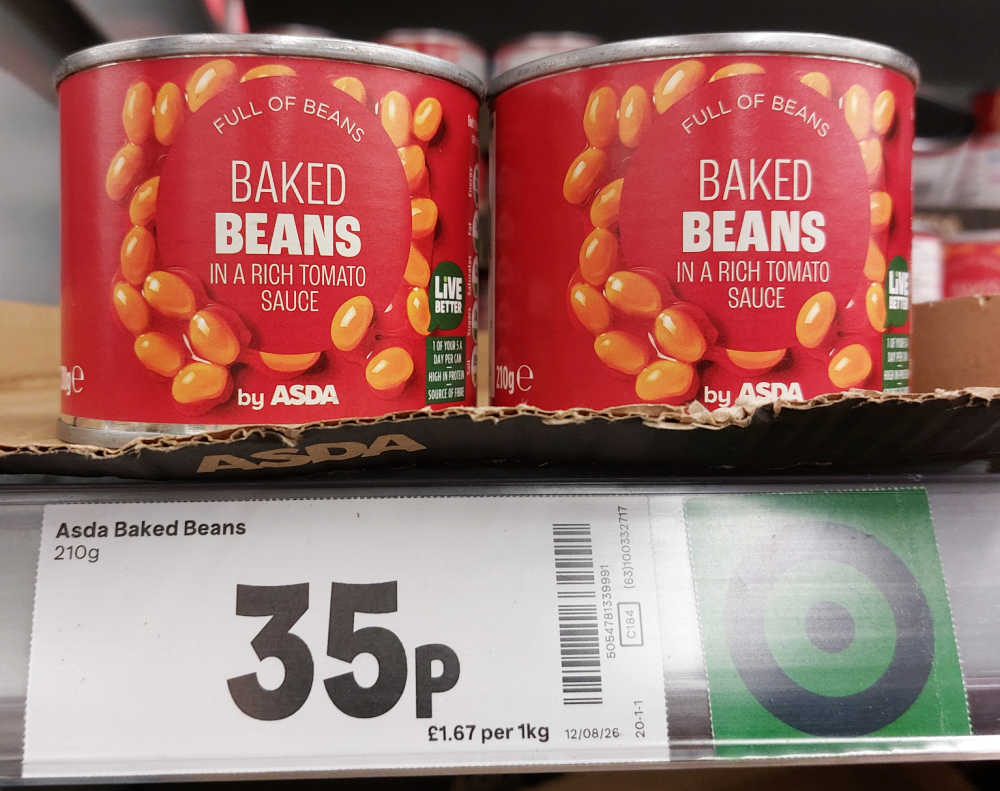
At just 35p, baked beans were one of the cheapest items in my basket.
They’re filling and versatile, and they can be eaten cold if necessary, although many people prefer them warmed up.
They can be eaten on their own or served with crackers and other cupboard foods. They’re a good example of how inexpensive ingredients can help stretch a small food budget.
11. Cheese Twists – £1.00
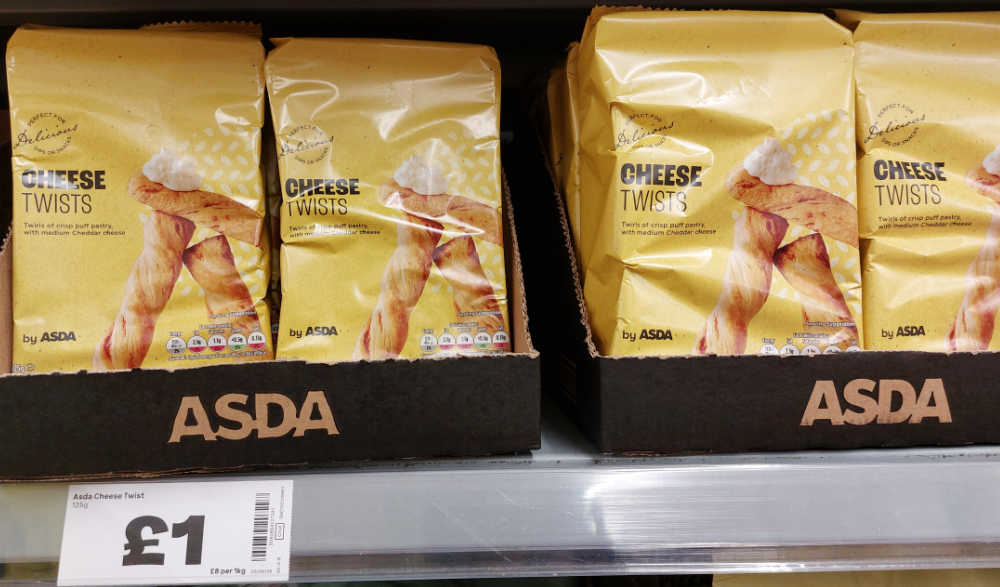
I also picked up a packet of cheese twists. These provide a ready-to-eat savoury snack that needs no preparation.
They’re useful for adding variety to a small emergency food supply, although they may have a shorter shelf life than some of the tinned and dried foods in the basket. Check the best-before date when buying them.
Can You Build an Emergency Food Supply for £10?
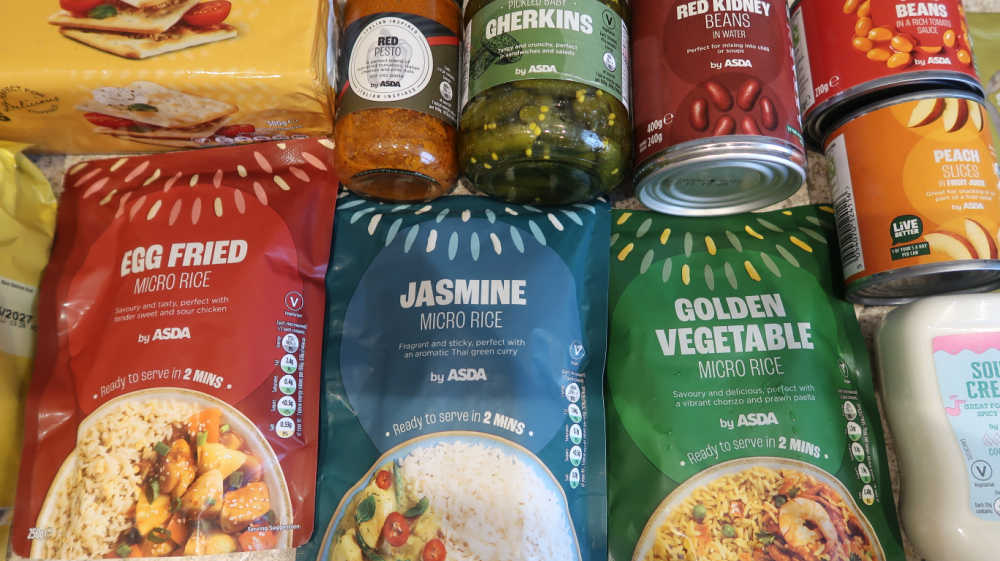
My Asda shop came to £10.08, which shows that you can start building a small emergency food supply without spending a fortune.
The important thing is to think about what each food offers and how you would actually use it.
For example, this shop includes:
- Ready-to-eat foods: sardines, crackers, sunflower seeds, peaches and cheese twists.
- Foods that can be eaten cold: kidney beans, baked beans and the ready-cooked rice pouches.
- Ingredients for combining into meals: pesto, rice, beans and sardines.
- Foods that add variety: pickled gherkins, peaches and sour cream.
Not every item is equally suitable for long-term storage, so check the best-before dates and storage requirements. If you want an emergency cupboard that will last for months, prioritise products that can be stored safely at room temperature for the period you need.
It’s also worth checking whether you have a tin opener if you buy tins that don’t have ring pulls.
What Would I Add to This Emergency Food Shop?
If I were expanding this small shop, I would look at adding more foods that provide filling meals and a wider range of nutrients.
Depending on the budget, useful additions could include:
- More tinned fish or meat.
- Additional tinned beans and pulses.
- Long-life milk or a suitable alternative.
- Oats and other foods that can be eaten without cooking.
- More ready-to-eat fruit.
- Drinking water stored safely.
- Foods that household members regularly eat and enjoy.
It’s important to consider how much food your household actually needs, rather than focusing only on the number of items in a basket. A £10 shop is a starting point, not a complete emergency food supply for a family.
Emergency Food Shop at Asda Video
I’m exploring how to put together practical emergency food supplies on a budget, including what you can buy at different UK supermarkets.
The idea is to show real shopping trips, actual prices and foods that could be useful if you needed to rely on cupboard ingredients for a few days.
This Asda shop is one example. I’ll also be looking at what £5 or £10 can buy elsewhere and considering which foods are most useful when you want options that don’t depend on a fridge, electricity or cooking facilities.
The aim is to make preparing for unexpected situations feel more manageable and affordable.
Hit play below or click here to watch on YouTube.
Frequently Asked Questions – Emergency Food Shop at Asda
What can you buy for £10 at Asda?
In this shopping trip, I bought 11 purchases for £10.08, including cream crackers, kidney beans, pickled gherkins, shelf-stored sour cream in a tube, pesto, sardines, peaches, sunflower seeds, three rice pouches, baked beans and cheese twists. Prices can vary between stores and over time.
What foods are useful for an emergency food supply?
Useful options include ready-to-eat tinned foods, crackers, dried fruit, nuts and seeds, and ready-cooked foods that can be eaten without heating. Choose foods that your household enjoys and that can be stored safely at room temperature.
Can you eat rice pouches cold?
Some ready-cooked rice pouches can be eaten cold, including the type bought for this shop. Always check the packaging for preparation, storage and food-safety instructions.
Is sour cream suitable for emergency food storage?
Some sour cream products are sold in shelf-stable packaging, while others are refrigerated. The tube in this shopping trip was sold on the shelf in Asda’s international food section. Check the label for storage instructions before and after opening.
What food should I buy for an emergency if I have no electricity?
Consider foods that can be eaten straight from the package, such as crackers, tinned fish, ready-to-eat fruit, seeds and suitable ready-cooked foods. Remember that some products need refrigeration after opening, and always follow the packaging instructions.
How much emergency food should I keep at home?
The amount depends on the size of your household, dietary requirements and the situation you want to prepare for. UK preparedness advice commonly recommends having supplies to manage for at least three days. Plan for drinking water as well as food, and include any essential items your household needs.
Final Thoughts – £10 Emergency Food Shop at Asda
I spent £10.08 at Asda and came away with a mixture of snacks, tinned foods, ingredients and ready-cooked rice pouches.
Some items are more practical than others for an emergency cupboard, but the shopping trip shows how a small budget can help you start thinking about the foods you already have and what you might want to add.
If you’re building your own emergency food supply, start with foods you regularly eat, check how they need to be stored and add a few extra items at a time as your budget allows.