Having a supply of emergency foods to keep at home can be helpful if unexpected events disrupt your usual shopping routine. This emergency food list includes 10 simple cupboard staples, from peanut butter and crackers to tinned tuna and fruit, plus a free printable emergency food checklist to help you prepare your own emergency food cupboard.
10 Emergency Foods to Keep at Home
If you had to prepare meals at home without being able to visit the shops, what foods would you want in your cupboard?
Having a selection of everyday foods stored at home can make things easier if bad weather, power cuts or other unexpected events disrupt your usual routine.
I’ve put together a list of 10 emergency foods to keep at home, using familiar cupboard staples that are easy to find in UK supermarkets. I’ve also created a free printable checklist so you can keep track of the foods you already have and the ones you might want to add to your shopping list.
Download the free printable emergency food checklist to save or print for your kitchen cupboard.
I believe in only stocking foods that we will actually consume before the use by date, so nothing is wasted. A number of these foods we actually go through on a weekly basis, so I make sure that I have plenty in the pantry so we never run out. Feel free to adapt the foods to ones that your family enjoys.
10 Emergency Foods to Keep at Home
1. Jam
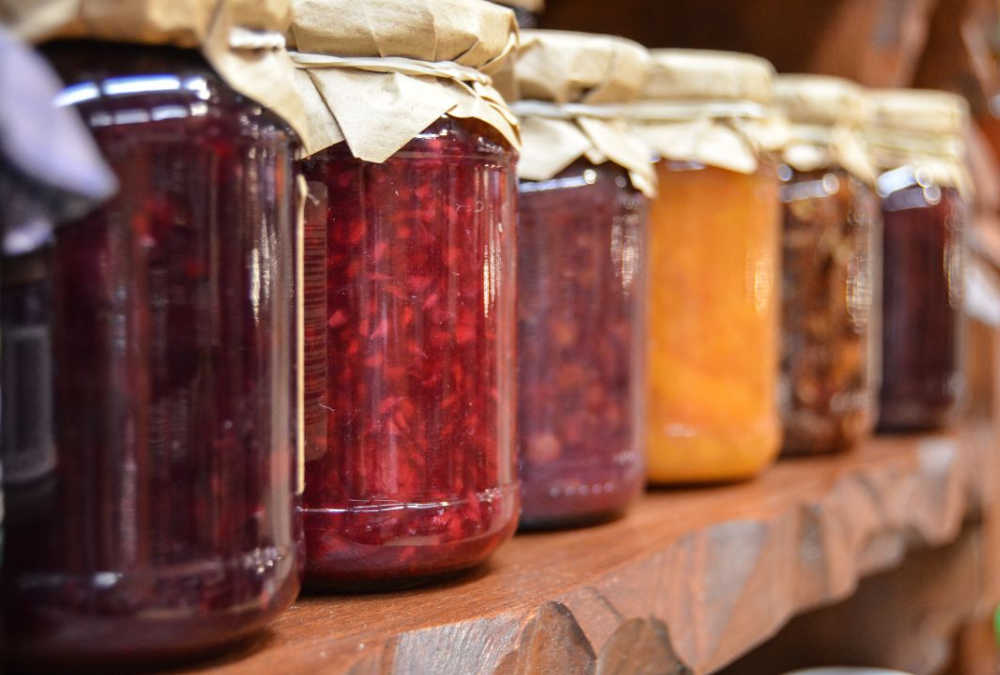
Jam is a useful cupboard staple that can add sweetness and flavour to simple meals.
You can spread it on crackers or use it with tortilla wraps for a quick sweet snack. It’s also an easy way to make plain foods a little more enjoyable.
Choose a jar your household enjoys and check the storage instructions once it has been opened.
2. Peanut Butter

Peanut butter is a versatile food to keep in the cupboard. It provides energy and contains protein and fat, making it a useful addition to simple meals and snacks.
Spread it on crackers, serve it with tortilla wraps or enjoy it with cereal if that combination suits you.
Check for peanut allergies when planning food for your household, and follow the label’s storage instructions.
3. Tortilla Wraps
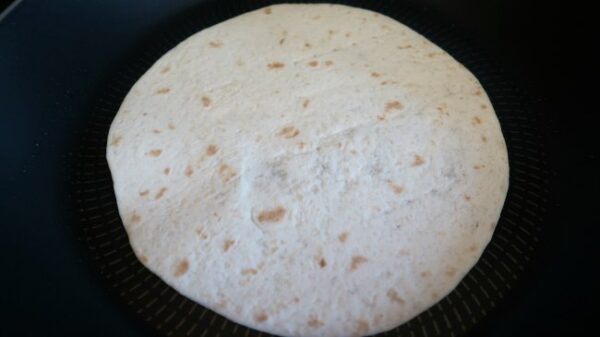
Tortilla wraps are convenient because they can be used for both sweet and savoury meals.
Fill them with peanut butter and jam for a quick snack, or combine them with tinned tuna or chickpeas for a simple lunch.
Unopened wraps can often be stored at room temperature, but always check the packaging for storage instructions and use-by dates.
I regularly find tortilla wraps in the taco/tortilla shelf in my local supermarket that has at least 4-5 months until it’s use by date. I like to keep a few of them at all times in my pantry for those instances when we run out of a bread option, ensuring I keep an eye on the use by date to ensure it’s consumed in time.
4. Crackers – Emergency Foods List Essential

Crackers are handy to have in an emergency food cupboard because they can be eaten straight from the packet without cooking.
Enjoy them with peanut butter or jam, or serve them alongside tuna or chickpeas.
Choose crackers that your family likes, and store them in a dry place so they stay crisp.
5. Tinned Tuna

Tinned tuna is a convenient source of protein that can be eaten without cooking when it is ready-to-eat and the tin is intact.
You can serve it with crackers, add it to a tortilla wrap or combine it with other cupboard ingredients for a simple meal.
Choose tuna in the format your household prefers, and remember to use it promptly after opening. If you don’t have any refrigeration option, then don’t keep leftover tuna for later.
6. Tinned Chickpeas
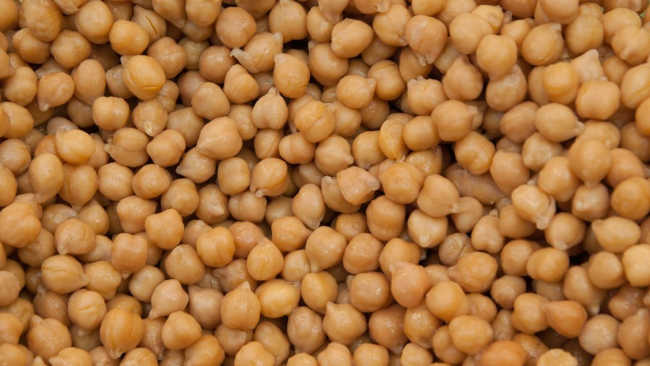
Tinned chickpeas are a versatile cupboard ingredient. They can be rinsed and added to wraps or served alongside crackers for a simple meal.
They provide protein and fibre and are useful when you want something more substantial than a snack.
Choose chickpeas that are ready to eat after opening, check the label, and plan to use the whole tin once opened if you have no refrigerator.
Feel free to swap for lentils, black beans, butter beans or any other bean that you enjoy. Or, keep a mix on hand for variety.
7. UHT Milk
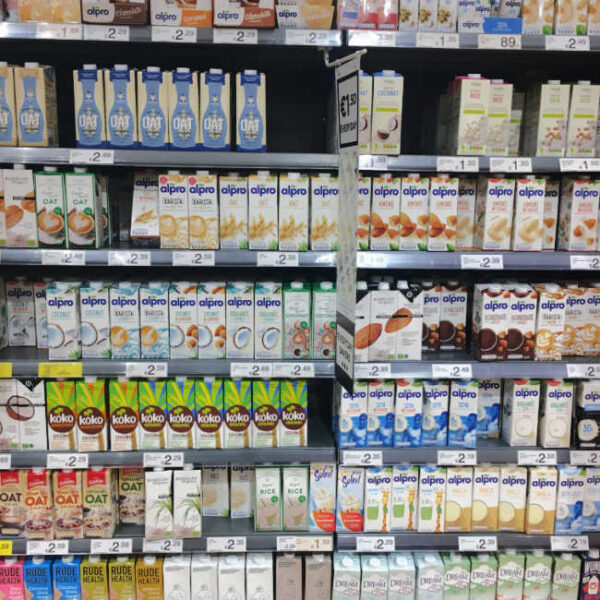
UHT milk is treated so that an unopened carton can be stored at room temperature until the date and conditions specified on the packaging.
You can use it with cereal or in other foods that call for milk. It is particularly useful if you don’t want to rely entirely on refrigerated milk.
Once opened, UHT milk generally needs refrigeration. If you don’t have a working fridge, choose a small carton that can be used in one sitting and follow the label’s instructions.
8. Cereal
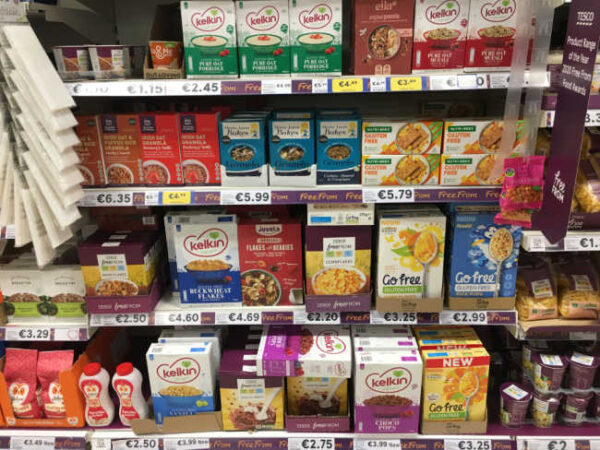
Cereal is an easy breakfast option that requires very little preparation.
It can be eaten with UHT milk, and some cereals can also be eaten dry as a snack. Choose a variety that your household enjoys and that stores well in its original packaging.
9. Tinned Fruit in Juice
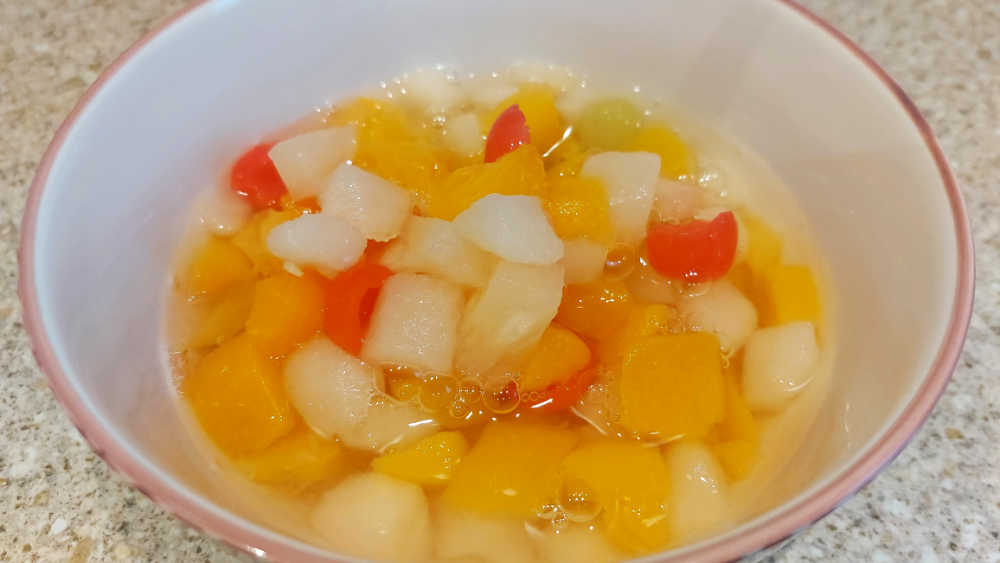
Tinned fruit is a convenient way to keep fruit available without needing to buy fresh produce frequently.
One of my favourites is fruit cocktail in juice. It can be eaten straight from the tin and makes a simple breakfast addition, dessert or snack.
Look for fruit canned in juice if that’s your preference, and choose a tin size that suits your household so there is less left over after opening.
10. Tinned Vegetables

Tinned vegetables can add variety to cupboard meals without requiring fresh produce.
I chose sweetcorn, which can be added to a wrap or eaten alongside other ready-to-eat foods. Other tinned vegetables such as peas, green beans or carrots, can work too, depending on what you enjoy.
As with other tinned foods, plan to use the contents promptly if you don’t have a refrigeration option.
Don’t Forget Drinking Water
Food is only one part of preparing for an emergency. Drinking water is essential, and you may also need water for preparing food and basic hygiene.
UK preparedness guidance recommends considering supplies for several days. Check current official advice when deciding how much water and food your household needs, and remember to plan for everyone in your home.
How to Build Your Emergency Food Cupboard
You don’t have to buy everything at once. Here are a few simple ways to get started:
- Start with foods you already eat. There is little point storing items nobody in your household enjoys.
- Check what you already have. Make a list before your next supermarket shop.
- Buy a few extra items when your budget allows. Build up your cupboard gradually rather than feeling you need to buy everything in one go.
- Check dates and packaging. Store foods according to the label and use older items first.
- Think about how you would eat them. Include foods that can be eaten without cooking, as well as foods you would use if power and cooking facilities were available.
- Plan for your household. The amount you need depends on the number of people, their needs and how long you might need to rely on stored food.
If you are planning for a power cut, remember that some foods need refrigeration after opening and that cooking appliances may not be usable.
10 Emergency Foods To Keep at Home Video
Here’s the video where I talk you through my list of 10 foods I always keep in my pantry. Hit play below or click here to watch on YouTube.
Free Printable: 10 Emergency Foods Checklist
Want to keep this list handy?
Download and print the free checklist to help you remember these 10 emergency foods when checking your cupboards or writing your shopping list.
Use it as a starting point, then add any other foods, drinking water and essential supplies your household needs.
[Download your printable emergency food checklist]
Emergency Foods – Final Thoughts
Preparing a small emergency food cupboard doesn’t have to be complicated or expensive. Start with familiar foods, choose items that suit your household and add to your supplies gradually.
My 10 picks are jam, peanut butter, tortilla wraps, crackers, tinned tuna, tinned chickpeas, UHT milk, cereal, tinned fruit in juice and tinned vegetables such as sweetcorn.
Having a list ready makes it easier to see what you already have and what you might need to buy.
Emergency Foods – Recipe Ideas
Here are some recipe ideas that you can incorporate the emergency foods in: