Japanese Milk Pudding Recipe (Hokkaido Milk Pudding) – Easy 4 Ingredient No Bake Dessert – How to make easy no bake gluten free Purin custard desserts – with the video tutorial.
Jump to Recipe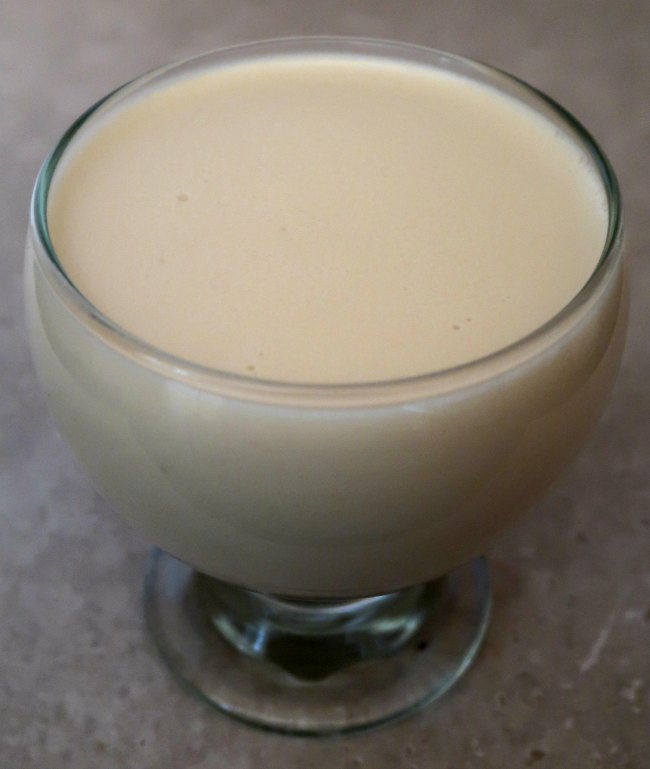
Japanese Milk Pudding Recipe
This Japanese Milk Pudding recipe makes a silky smooth, creamy dessert with just four simple ingredients. Inspired by the popular Hokkaido milk puddings sold in Japanese convenience stores, it’s an easy no bake dessert that’s naturally gluten free and can easily be made low carb.
This Japanese Custard Pudding Recipe is inspired by sweet treats I enjoyed while in Japan a few years ago.
I’ve been reminiscing about my last trip lately (and planning my next) and so I did a little hunting for recipes that could take me back to the delicate pudding experiences that are easily found at convenience stores around Japan.
I found this recipe for a milky Japanese pudding which I adapted and am sharing with you today. My version of the Hokkaido milk pudding has only 4 simple ingredients that are easy to find at grocery stores.
As dairy whole milk just doesn’t agree with my digestive system these days, I went for almond milk which I reduced in volume and then added in more fresh cream for the creamy texture and luxurious ice cream like flavor. You can use almond milk as I did or any milk you like in the delicious dessert.
It’s also up to you how sweet you’d like your pudding to be and what sweetener or sugar you’d like to include.
You could also add in a half to a teaspoon of vanilla extract or vanilla essence for a richer vanilla flavor to your pudding.
You can also add a caramel sauce over the top to make more of a creme caramel, Japanese purin or Japanese caramel custard pudding dessert that’s sure to satisfy your sweet tooth.
If you’d like this dessert to be low carb friendly then stick to almond milk, stevia or your low carb ingredients of choice.
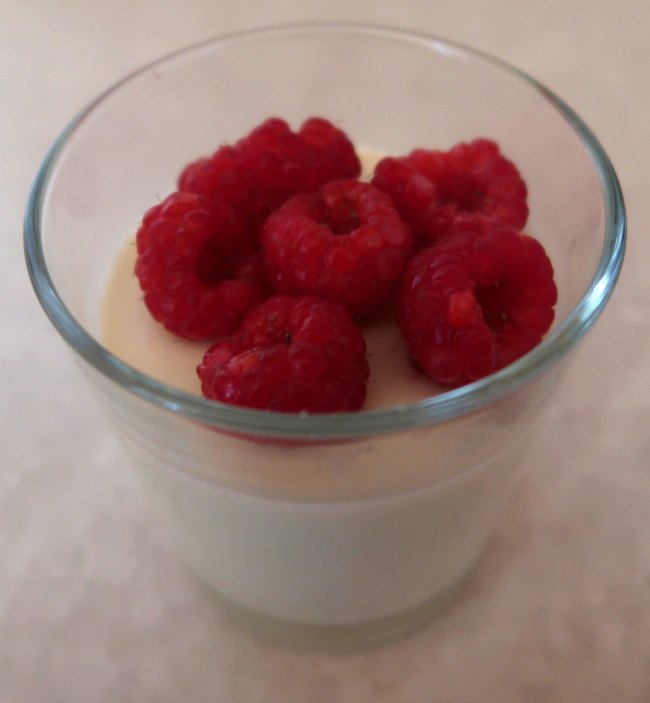
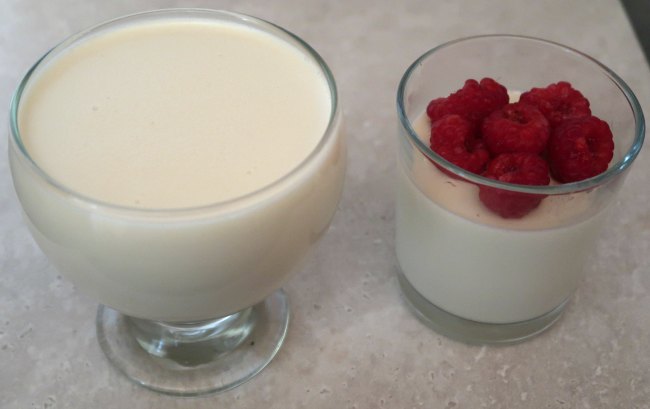
An easy low carb topping idea could be a handful of fresh fruit such as raspberries or chopped strawberries.
The popular dessert is a wonderfully creamy pudding that transports me back to those delicate desserts I enjoyed while in Japan.
Japanese Milk Pudding Recipe
- 1.5 Cups Milk
- 1/2 Cup Heavy Cream
- 2-4 Tablespoons Stevia
- 2.5 teaspoons Gelatin
- Combine all of the ingredients together in a small saucepan.
- Place the pudding mixture over medium heat on the stove top and whisk regularly until heated through and the gelatin has dissolved.
- Remove from the heat just before the pudding comes up to boiling point and small bubbles appear on the surface.
- Allow to cool to room temperature and then pour mixture into a pudding dish, small bowl or individual glasses or ramekins.
- Place into the fridge to set and thicken to a firmer texture, then enjoy.
Tips for perfect Japanese Milk Pudding
- Don’t boil the mixture.
- Fully dissolve the gelatin.
- Chill for at least four hours.
- Use full-fat milk for the creamiest texture.
- Strain before pouring into ramekins if needed.
Japanese Custard Pudding Recipe Video
Here’s the video where you can watch the easy Japanese Dessert being prepared, step by step. Hit play below or click here to watch on YouTube.
More Easy No Bake Gluten Free Desserts
Chocolate Mousse With Cream Cheese
Japanese Milk Pudding Recipe
Japanese Milk Pudding Recipe – Easy no bake gluten free desserts with the video tutorial.
Ingredients
- 1.5 Cups Milk
- 1/2 Cup Cream
- 2-4 Tablespoons Stevia
- 2.5 teaspoons Gelatin
Instructions
- Combine all of the ingredients together in a small saucepan.
- Place over medium heat on the stove top and whisk regularly until heated through and the gelatin has dissolved.
- Remove from the heat just before the pudding comes up to boiling point.
- Allow to cool to room temperature and then move into a pudding dish.
- Place into the fridge to set and thicken, then enjoy.
Nutrition Information:
Amount Per Serving: Calories: 93
Recommended Kitchen Tools and Ingredients
These are the kitchen tools and ingredients I use when making the easy Japanese Custard Pudding recipe:
- Gelatin Powder – Essential for creating the silky set texture in Japanese milk pudding.
- Small Saucepan – needed to heat the ingredients together safely on the stove top.
- Silicone spatula – for mixing and scraping every bit of batter from the bowl.
- Measuring cups and spoons – Makes measuring the 4 simple ingredients quick and accurate.
- Whisk – to perfectly whip together the ingredients, ensuring a smooth consistency without any lumps.
Frequently Asked Questions
What is Japanese milk pudding?
Japanese milk pudding is a silky, chilled dessert made with milk, cream, sweetener and gelatin that’s popular in Japan for its light, creamy texture.
Is Japanese milk pudding the same as purin?
No, Japanese purin is an egg-based caramel custard, while milk pudding is made with gelatin and has a lighter, creamier consistency.
What is Hokkaido milk pudding?
Hokkaido milk pudding is a rich version of creamy milk pudding traditionally made with creamy milk from Japan’s Hokkaido region.
Can I use a different type of milk?
Yes, whole milk, almond milk, oat milk, soy milk or coconut milk all work well in this recipe.
Can I make this recipe dairy free?
Yes, simply use your favourite dairy-free milk and a plant-based cream alternative.
Can I make Japanese milk pudding low carb?
Yes, use unsweetened almond milk and a low carb sweetener such as stevia or monk fruit.
Is Japanese milk pudding gluten free?
Yes, this recipe is naturally gluten free when made with certified gluten-free ingredients if needed.
Why didn’t my milk pudding set?
The most common reasons are not using enough gelatin, not dissolving it completely or not chilling the pudding for long enough.
How long does the easy dessert last?
Store it covered in the refrigerator for up to 3 days for the best flavour and texture.
Why is Japanese milk pudding so creamy?
Japanese milk pudding gets its smooth, creamy texture from the combination of milk, cream and gently dissolved gelatin, which creates a delicate dessert that melts in your mouth.
Updated in July 2026 with additional recipe tips, FAQs and improved instructions.
Disclosure – this post contains affiliate links.